How Cracks in Concrete Foundations Affect Structural Stability
To prevent further damage and ensure structural stability, local contractors specializing in concrete foundation crack repair can assess and fix cracks effectively.
Understanding how cracks in concrete foundations affect structural stability is an important concern for property owners. Whether you're noticing small fissures or more significant cracks, recognizing their potential impact can help prevent more serious issues down the line. Cracks can be a sign of underlying problems that, if left unaddressed, may compromise the safety and longevity of a building. Exploring this topic can provide valuable insights into when repairs might be needed and how local contractors skilled in foundation crack repair can help restore stability and peace of mind.
For property owners in the area, staying informed about foundation concerns is a practical step toward protecting your investment. Cracks in concrete foundations may result from natural settling, soil movement, or moisture changes, all of which can affect the overall integrity of a structure. By learning more about how these cracks influence stability, homeowners and business owners can better identify early warning signs and seek the expertise of experienced service providers who specialize in foundation crack repair. Keep reading to discover how local contractors can assist in maintaining a strong, stable foundation for years to come.
- Concrete foundation crack repair services are essential when visible cracks suggest potential structural issues and local contractors assess the severity to prevent further damage.
- When cracks in concrete foundations compromise stability, local service providers evaluate the extent of damage and implement targeted repair solutions to restore integrity.
- If shifting or settling causes cracks in concrete foundations, experienced pros use specialized techniques to stabilize the structure and prevent future movement.
- In cases where cracks in concrete foundations are linked to ongoing movement, local contractors perform thorough assessments and reinforce the foundation to maintain structural stability.
- Cracks resulting from soil shifting or moisture issues require prompt repair from local pros who can address the root causes and secure the foundation’s stability.
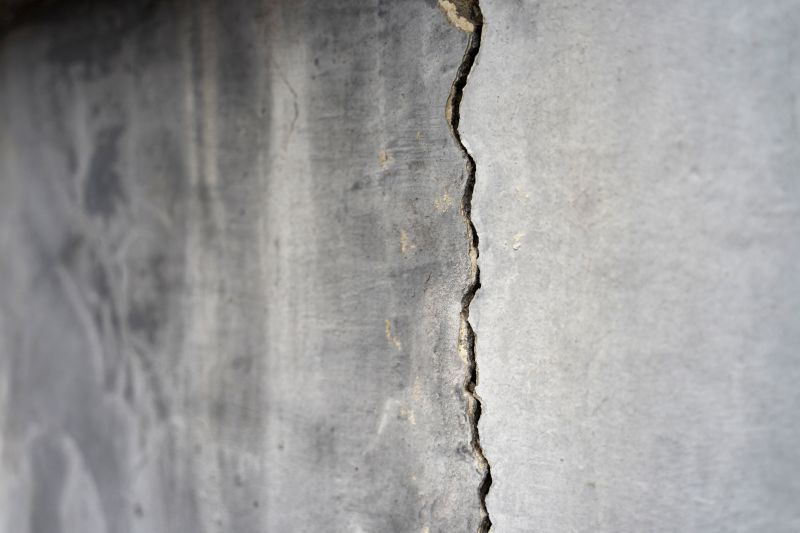
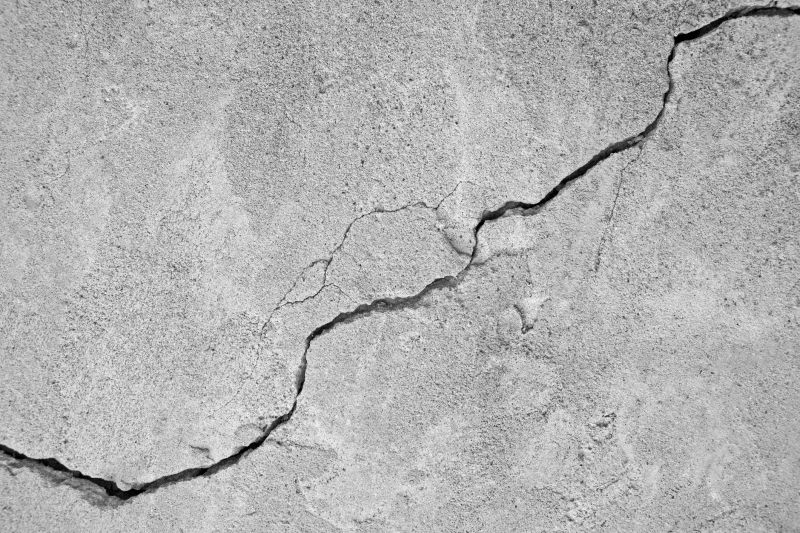
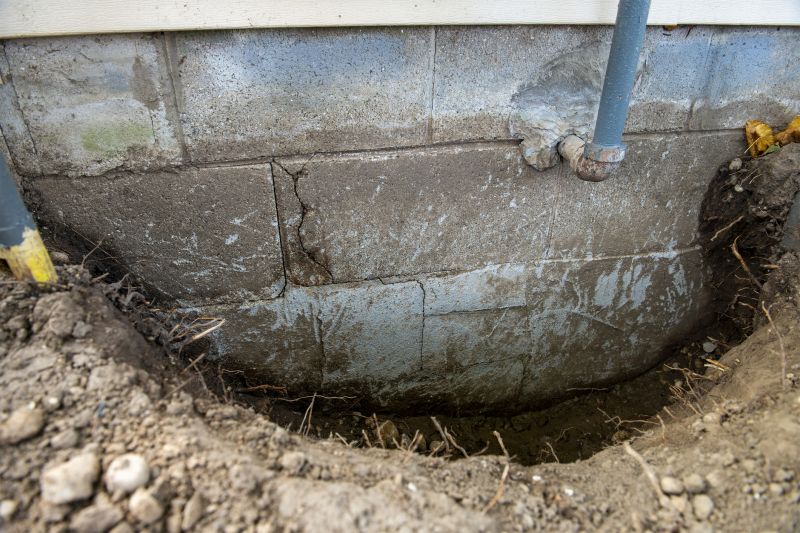
When people search for how cracks in concrete foundations affect structural stability, they are often concerned about the safety and longevity of their homes. Cracks can be a sign of underlying issues that may compromise the strength of the foundation over time. Homeowners typically want to understand whether these cracks are superficial or if they indicate more serious problems that could lead to shifting, settling, or even collapse. This topic is especially relevant for those noticing visible cracks or uneven floors, as it helps them determine if professional assessment and repair are necessary to maintain the property's integrity.
This subject relates closely to a variety of property problems and planning efforts. For example, cracks in a foundation can be caused by soil movement, moisture changes, or poor construction practices. These issues often lead to further damage such as uneven walls, sticking doors or windows, and interior or exterior cracks. Homeowners may also be considering repairs or reinforcement plans to prevent worsening damage, which makes understanding the impact of foundation cracks on structural stability essential. Addressing these concerns early can help avoid more costly repairs in the future and preserve the property's value.
The types of properties that typically come up in discussions about foundation cracks include both residential homes and small commercial buildings. Single-family houses are the most common, especially older homes where shifting soil or settling has been ongoing. Basement foundations are frequently examined because cracks in basement walls can indicate significant structural concerns. Additionally, properties built on expansive clay soils or in areas with high moisture levels are more prone to foundation issues. Recognizing the specific property types affected helps homeowners understand the importance of professional evaluations and the role local contractors play in providing targeted repairs.
Understanding how cracks in concrete foundations affect structural stability helps homeowners connect the dots between visible damage and potential safety risks. When cracks are left unrepaired or ignored, they can expand and weaken the foundation’s ability to support the structure above. This can lead to uneven floors, misaligned walls, and in severe cases, structural failure. Local service providers specializing in foundation crack repair are equipped to evaluate the severity of cracks and recommend appropriate solutions. Their expertise ensures that repairs address the root causes, helping to restore stability and protect the property’s long-term safety.
Foundation Inspection Services - Professionals who assess the extent of cracks in concrete foundations and evaluate their impact on structural stability are essential for accurate diagnosis and repair planning.
Structural Repair Projects - Contractors experienced in stabilizing compromised structures use similar skills and tools to address issues caused by cracks affecting a building’s integrity.
Concrete Repair and Restoration - These projects involve sealing and reinforcing cracks in concrete, directly relating to the techniques used in foundation crack repair services.
Basement Waterproofing Services - Waterproofing often involves addressing cracks that can lead to water intrusion, which is a concern when cracks impact foundation stability.
Soil Stabilization and Underpinning - These projects focus on strengthening the ground beneath foundations, helping prevent or repair cracks caused by shifting soils affecting structural stability.
Drainage and Erosion Control Projects - Proper drainage solutions are crucial for preventing foundation movement that can lead to cracks, making these projects relevant for maintaining foundation integrity.
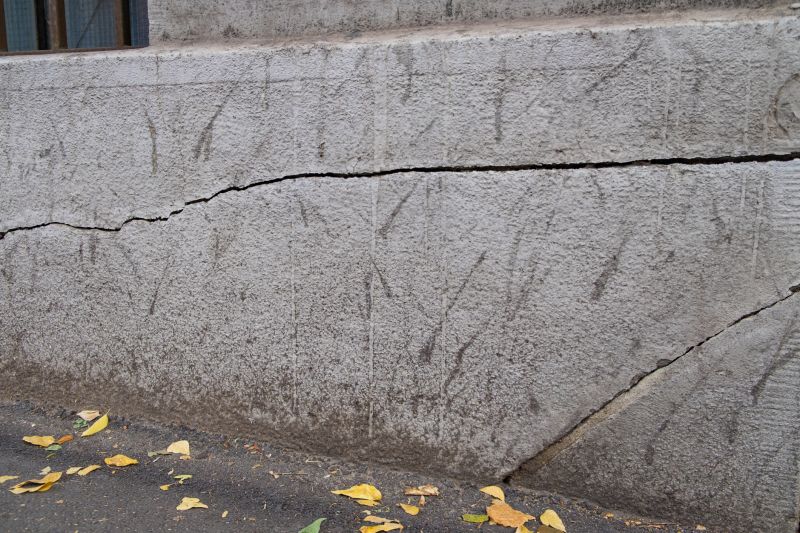
When evaluating contractors for concrete foundation crack repair, it is important to consider their experience with similar projects. Homeowners should seek out service providers who have a proven track record of addressing cracks in concrete foundations and understanding how these issues can impact structural stability. A contractor’s familiarity with different types of cracks, their causes, and effective repair methods can help ensure that the work is performed properly and that potential problems are identified early. Asking for examples of past projects or references related to foundation crack repairs can provide insight into their hands-on experience and technical knowledge.
Clear written expectations are essential to prevent misunderstandings and ensure that both parties are aligned on the scope of work. Homeowners should look for service providers who can offer detailed descriptions of the repair process, including what will be done, what materials will be used, and how long the project is expected to take. A well-defined plan helps homeowners understand what to expect and allows them to compare different contractors more effectively. Good communication throughout the process, including timely updates and responsiveness to questions, is also a key factor in choosing a reliable professional.
Reputable references and a history of positive customer feedback can serve as indicators of a contractor’s dependability and quality of work. Homeowners are encouraged to seek out reviews or testimonials from previous clients, especially those who had similar foundation issues. Reliable service providers often have established relationships with satisfied customers and can provide contact information for references. Good communication skills are equally important, as they facilitate a smooth project experience and help homeowners feel confident that their concerns about how cracks in concrete foundations affect structural stability are being addressed thoroughly and professionally.
Property owners often search for how cracks in concrete foundations affect structural stability when they are planning practical projects around their homes and businesses. Local pros provide Concrete Foundation Crack Repair services for everyday jobs and straightforward project options.
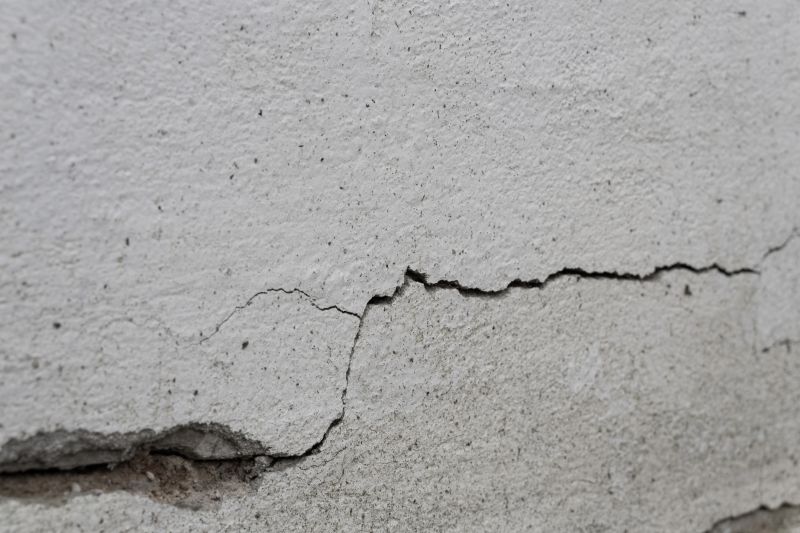
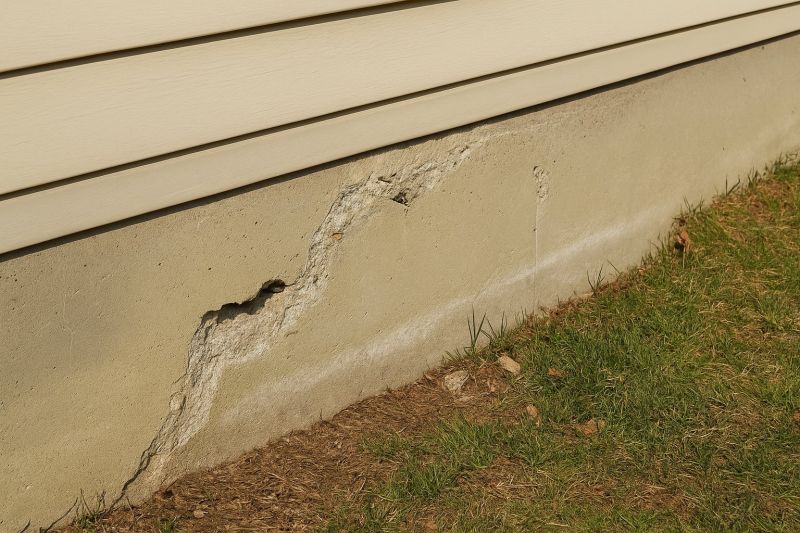
Cracks in concrete foundations are a common concern for property owners, especially when they notice changes in their home's stability or appearance. Small cracks might seem harmless at first, but over time, they can widen or deepen, potentially compromising the overall strength of the foundation. Understanding how these cracks affect structural stability helps homeowners recognize when professional repair services are needed to prevent further damage and costly repairs down the line.
In many everyday project situations, property owners might search for information on foundation cracks to determine if repairs are necessary. Local contractors who specialize in concrete foundation crack repair can assess the severity of the damage and recommend appropriate solutions. Addressing cracks early on can help maintain the integrity of the structure, reduce the risk of more serious issues, and ensure the property remains safe and stable for years to come.
How do cracks in concrete foundations impact structural stability? Cracks can weaken the overall integrity of a foundation, potentially leading to uneven settling or further damage that affects the stability of the entire structure. Local contractors can assess the severity of cracks and recommend appropriate repair solutions to maintain stability.
What types of cracks are most concerning for foundation stability? Larger, diagonal, or widening cracks are often more serious and may indicate ongoing movement or shifting. Local service providers can identify these signs and determine if repairs are needed to prevent further issues.
Can small cracks in a concrete foundation compromise structural stability? Small, hairline cracks typically have minimal impact, but if they widen or appear in specific patterns, they could signal underlying problems. Experienced contractors can evaluate whether repairs are necessary to ensure long-term stability.
How do cracks in concrete foundations affect the safety of a building? Cracks may compromise load-bearing capacity, increasing the risk of structural failure or collapse if left unaddressed. Local pros can perform inspections and provide repair options to restore safety and stability.
What repair options are available for cracks that threaten foundation stability? Repair methods vary depending on the crack's size and cause, including epoxy injections, crack stitching, or underpinning. Service providers can recommend the most suitable approach to reinforce the foundation's stability.
Assessing foundation cracks - property owners can identify early signs of structural issues and seek help from local contractors to evaluate the severity of cracks in concrete foundations.
Understanding crack patterns - recognizing how different crack types influence stability helps property owners decide when to consult local pros for repair services.
Prioritizing repairs - addressing significant cracks promptly can prevent further damage, with local contractors providing expert repair solutions to maintain foundation integrity.
Monitoring foundation health - regular inspections of cracks can help property owners stay aware of changes and contact local pros for ongoing stabilization and repair needs.
If you are thinking about how cracks in concrete foundations affect structural stability for a property, this guide is meant to help you understand this topic, the typical project types, and how different options might fit your plans.
When you are ready, you can use the quote form on this page to share a few details about your project. From there, local pros can review the basics and follow up with options that match what you have in mind.